


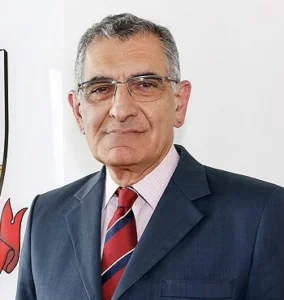
State Secretary for Science,
Technology & Innovation, São Paulo
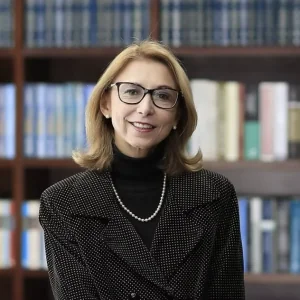
Secretary of International Affairs,
City of São Paulo
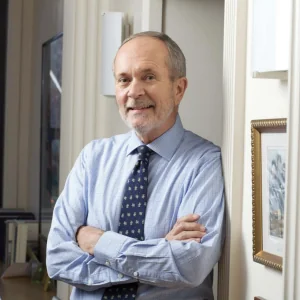
CEO,
Global Futures Group

Co-Founder & CEO,
reState Foundation;
Ecosystem Steward,
SuperSymmetry Institute
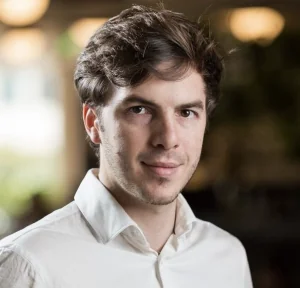
CEO,
Tools for the Commons
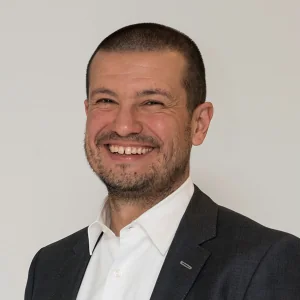
Executive Director,
Global Federation of Competitiveness Councils
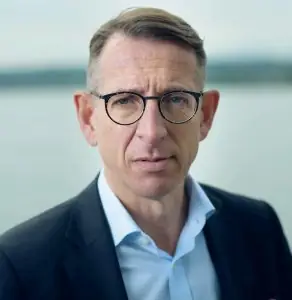
Chairman,
Horasis Global
The SuperSymmetry Institute hosted an exclusive Welcome Reception for the Horasis Global Meeting 2025 at the Jockey Club in São Paulo, convening over 500 leaders from 53 nations for an evening that set the agenda for the global conversations ahead. The evening featured a pivotal panel discussion and the pre-launch of the Global South Cities Competitiveness Index, poised to redefine how we understand urban development in emerging economies.
The preview officially introduced the scope of SuperSymmetry Institute’s Global South City Competitiveness Index (GS-CCI) 2025/2026, an analysis of 48 cities across the Global South and Global North, assessed across ten pillars, from economic endowments and governance capabilities to digital infrastructure and livability. The index draws on 250+ traditional and new-economy indicators, 25 million big data points, and a first-of-its-kind Business Voice Survey of 2,500 executives across 42 countries, assessing 70+ aspects of city competitiveness.
The research by SuperSymmetry Institute identified five forces fundamentally redefining competitiveness in the next economy:
Over the past two decades, cities across Asia, Africa, and Latin America have driven more than two-thirds of global growth, evolving from manufacturing hubs into engines of innovation and integration.
Nearly five million new residents are added to cities every month, mostly in the Global South, creating vast challenges and opportunities for infrastructure and service delivery.
As global competition intensifies, cities are becoming arenas of strategic influence, requiring skillful navigation of shifting alliances.
AI, advanced manufacturing, clean energy, and life sciences are reshaping economies. AI alone could add $15 trillion to global GDP by 2030.
Urban resilience and sustainability are now core to competitiveness, determining which cities attract talent and investment.
The data paints a nuanced portrait of Latin American cities, acknowledging deep challenges while revealing real promise. The region, alongside Asia and Africa, has driven more than two-thirds of the Global South’s growth over the past two decades.
São Paulo stands out in the “high growth, moderate affluence” quadrant, exceeding median GDP-per-capita growth and illustrating the region’s potential.
While 59% of Latin American business leaders rate their local environment as good or excellent, this lags behind the Global South average of 75% and the Global North’s 69%. Only 68% expect improvements over the next five years, well below the 80% optimism in the wider Global South.
Key obstacles include unfavorable macroeconomic conditions (54%), a shortage of skilled labor (37%), and misalignment between education and industry needs. Violence, weak governance, and limited access to finance also rank high among concerns.
Still, the study suggests these challenges represent an opportunity to raise the competitiveness game – a call for governments, business, and civil society to collaborate toward measurable transformation.
VAHAN AGOPYAN,
State Secretary for Science, Technology & Innovation, São Paulo:
“Brazil, as a developing country, faces economic constraints. It’s harder to solve problems in the Global South. Yet São Paulo is emerging as a vibrant innovation hub through strong state-city collaboration.”
“Hosting global events and exchanges, such as Unlocking South Global Advantage in the Next Economy, can catalyze further progress.”
ANGELA GANDRA,
Secretary of International Affairs, City of São Paulo:
“Competitiveness must be balanced with collaboration. Public-private partnerships show how shared impact can emerge.”
“As much as competitiveness drives progress, collaboration remains vital. COP 30 in Brazil will showcase this through the Sustainable Business Summit.”
“São Paulo is active in international networks like Urban 20 and G20 and maintains 36 city-to-city partnerships. Beyond economic ties, it is crucial to build human and cultural relationships that strengthen peace and cooperation.”
ROBERTO DOS REIS ALVAREZ,
Executive Director, Global Federation of Competitiveness Councils:
“Among the world’s ten metropolitan areas exceeding 20 million residents, two are in Latin America, São Paulo being one.”
“Cities compete for three essentials: investment, a share of the global economy, and creative talent. Yet they can also build win-win solutions.”
“Competitiveness isn’t inherited; it’s built. The index helps cultivate this mindset, essential for attracting investment, driving participation, and preparing for climate challenges.”
JERRY HULTIN,
CEO, Global Futures Group:
“Mark Twain once said, ‘The thunder has the roar; the lightning does the work.’ It’s time for action.”
“The Global South can leapfrog through four pillars: robust infrastructure, unified digital systems, empowered people through AI education, and expanded exports in knowledge and creativity.”
HUGO MATHECOWITSCH,
CEO, Tools for the Commons:
“Future cities won’t be built from bricks outward but from digital frameworks inward. São Paulo, Brazil’s digital capital, could lead new ‘digital corridors,’ the next Shenzhens and Dubais of the Global South.”
“The internet is becoming the new city, a foundation for collaboration, creativity, and cross-border innovation.”
São Paulo emerged as a leading case of urban transformation, ranking high among Latin American cities for innovation, digitalization, and international collaboration. The city’s shift into a high-growth zone highlights its potential as a model for other Global South cities.
Competitiveness is built, not inherited – a strategic asset for long-term success.
The absence of legacy systems is an advantage for innovation.
Sustainable growth depends on both.
Connectivity and digital infrastructure must anchor the next phase of urban evolution.
The full Global South City Index by SuperSymmetry Institute is set to be released in early 2026. Despite challenges, from macroeconomic instability to governance gaps, the research underscores the vast growth and investment potential of Global South cities.
ANGELA GANDRA,
Secretary of International Affairs, City of São Paulo:
“The city of São Paulo is proud to host nations united in a cosmopolitan spirit of peace and friendship. We want to work together, grow together – a win-win for all.”
VAHAN AGOPYAN,
State Secretary for Science, Technology & Innovation, São Paulo:
“Beyond competitiveness, we must seek collaboration among countries, companies, and professionals – for the good of the world.”
FRANK-JÜRGEN RICHTER, Chairman, Horasis Global:
“São Paulo embodies the creativity, innovation, and resilience of the Global South.”
Anastasia Kalinina, Founding Steward, SuperSymmetry Institute:
“The global landscape is being redrawn – geopolitics, technology, climate, and demographics are reshaping our shared future.”